Grief is not a problem to be solved. Some people still want more support than friends and family can give. This post explains the main kinds of professional grief support and when each one may be worth considering.
Types of professional support
Grief therapist or counselor
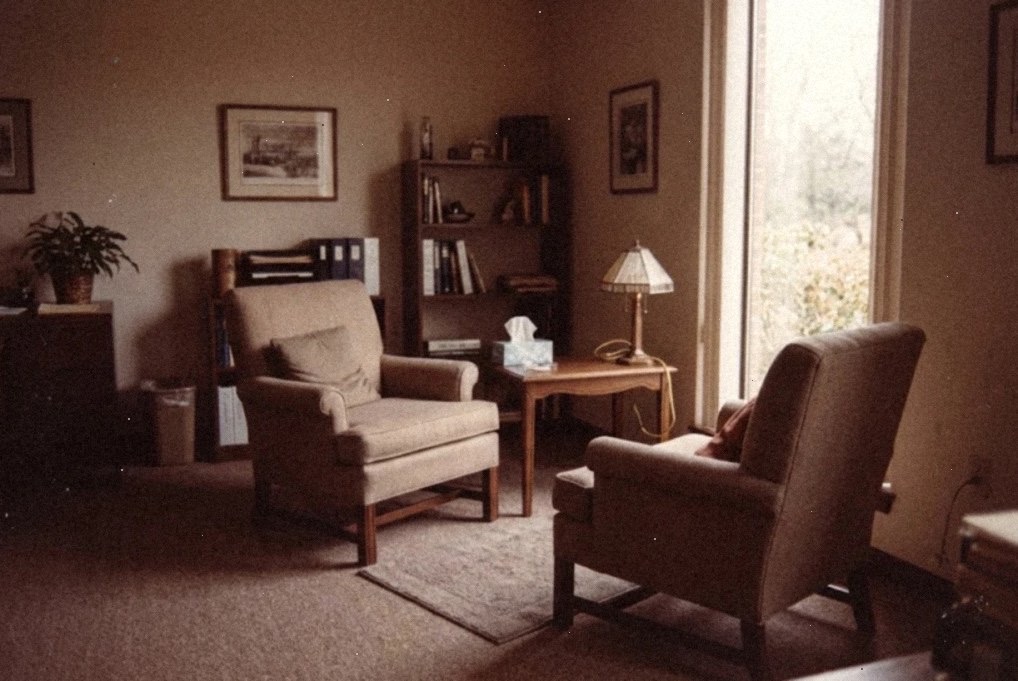
A grief therapist is a licensed mental health professional with training in grief and loss. Sessions are usually one-on-one. People often choose therapy when grief comes with trauma, depression, or anxiety, or when it is disrupting daily life. Not every therapist specializes in grief, so ask about their training in it.
Where to look:
Grief support group
A support group is a facilitated group of people who are grieving. Many are organized around one kind of loss, such as the death of a spouse or a child. A group is not therapy. For many people it offers something therapy does not: time with others who have lived through the same thing.
Hospices, hospitals, faith communities, and community centers often run them. Restfully's directory lists grief support groups.
Grief coach
A grief coach is a support professional who is not a clinician. Coaches use structured conversations and resources. They are not licensed therapists and do not treat medical or mental health conditions. A coach can suit someone who is managing day to day but wants more guidance than friends and family can offer.
When professional support is worth considering
You do not have to reach a threshold before it makes sense to ask for help. Some people look for support when:
- Grief is disrupting work, relationships, or basic self-care.
- They have panic, or upsetting thoughts that keep returning.
- They are relying on alcohol or other substances to get through the day.
- They are withdrawing from other people.
- The grief is as intense as it was months ago, and they want help with it.
- The death was sudden, violent, or traumatic.
None of these is a diagnosis. Each is a reason to ask.
Different people want different support
Some people want to talk it through. Others want a plan, time to think, or quiet. Restfully's Grief Personas describe four common grief styles, drawn from research with 2,000+ people. Knowing yours can help you choose the kind of support that fits. A persona is a lens, never a label.
If you want someone to listen
Email us at support@restfullycare.com. A person at Restfully will read it and reply.
One next step
Look through the grief therapists in Restfully's directory, and save one name to contact this week.
Browse grief therapists
Restfully's resources support people through grief. They are not a substitute for professional mental health care.


 Grief
 Grief
 Grief
 Grief