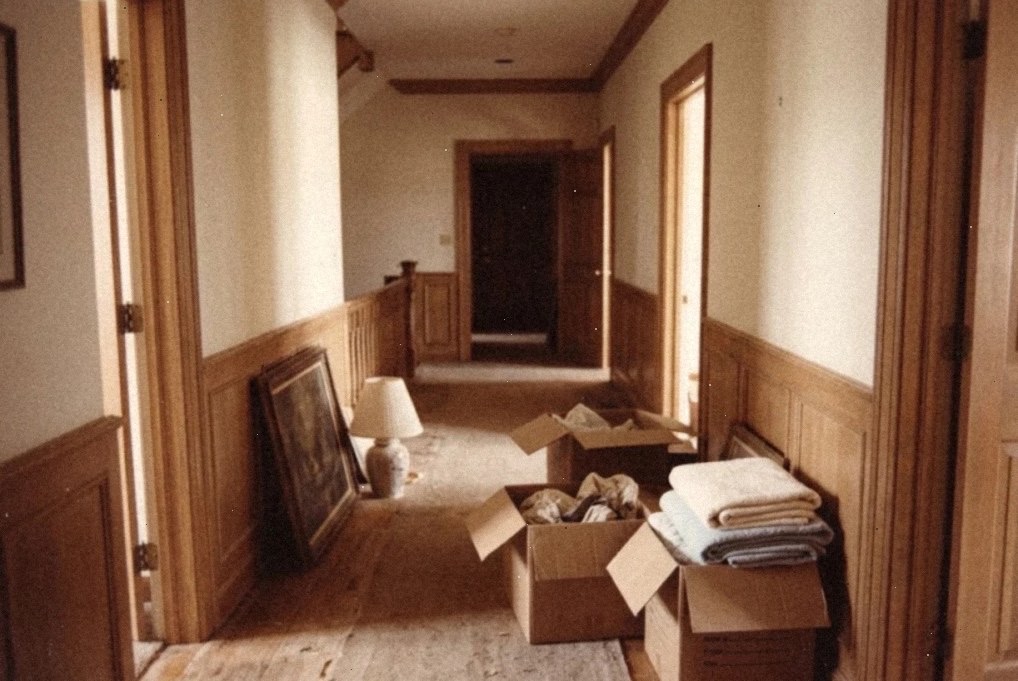
Going through someone's things is one of the most emotional jobs after a death. A coffee mug, a coat on a hook, a drawer of birthday cards: each one can stop you in your tracks. It is normal for this to take much longer than you expect.
Why it is so hard
Things stand in for people. Letting go of a sweater can feel like letting go of them, even when you know it is not. And families rarely agree about what matters. One person wants to keep everything, another wants it done this weekend. Those differences often come from how each person grieves, not from who loved them more. Restfully's Grief Personas can help make sense of that.
When to start
There is usually no rush. A few things may set a deadline: a rental lease, a home that needs to be sold, or perishables and anything of value left in an empty house. Beyond that, you can start when you are ready and go at your own pace.
A simple way to sort
Give every item one of five labels:
- Keep. You want it in your life.
- Gift. Someone else would treasure it.
- Donate. Someone could use it.
- Discard. It is broken, expired, or no use to anyone.
- Decide later. You are not ready. Put it in a box, label it, and come back in a few months.
The "decide later" box is what makes the rest possible. You never have to force a decision you are not ready for.
Start with the easy things
Begin where there is little emotion: expired food, toiletries, old mail, duplicates. Save photos, letters, and clothing for later, when you have more room for them. For the hardest category, Sentimental Items goes deeper.
Sharing with family
- If you are responsible for belongings, it’s nice to ask each person to name the few items that matter most to them before anything is sorted.
- Take turns choosing, so no one feels rushed or left out.
- Take photos of things no one is keeping. A picture can hold the memory without the object.
- Take caution: A lot of family fights are around how items and expenses get split up. Communication is key here.
Where things can go
Habitat for Humanity ReStores take furniture, appliances, and home goods. Local thrift stores, shelters, and veterans' charities often take clothing and household items, and some offer pickup.
When to bring in help
If the house is full, the timeline is short, or the job is too heavy, you do not have to do it alone. Professional organizers who specialize in estates can help, and NAPO's directory at napo.net lists organizers by location and specialty. Estate sale companies can help sell what no one is keeping.
One next step
If going through someone's things made you think about your own, Restfully's Personal End-of-Life Organizer is a clear place to start: your documents, accounts, and wishes in one place.
Explore the Personal End-of-Life Organizer


 Logistics
 Logistics
 Logistics
 Logistics